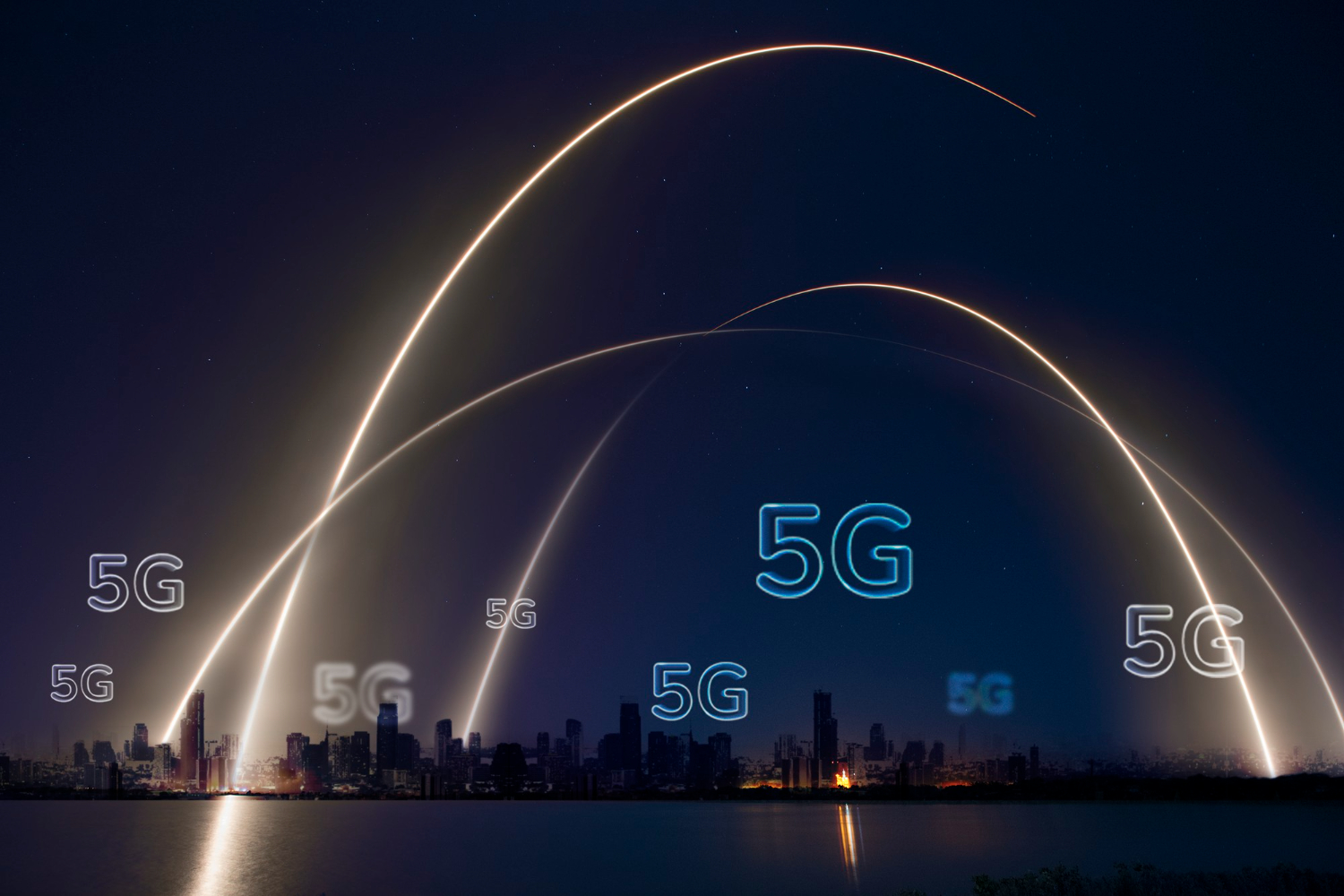
The arrival of 5G technology marks a significant leap forward in the world of telecommunications, promising to revolutionize how we connect, communicate, and interact with the world around us. As the fifth generation of wireless technology, 5G is set to deliver unprecedented speeds, ultra-low latency, and massive capacity, enabling new possibilities across various industries. But what exactly is 5G, and how is it impacting our lives and businesses? Let’s explore the transformative power of 5G and its far-reaching implications.
What is 5G Technology?
5G, short for the fifth generation of mobile networks, represents the latest evolution in wireless communication technology. It is designed to provide faster data speeds, reduced latency, and the ability to connect a vast number of devices simultaneously. While 4G technology laid the foundation for the mobile internet, 5G takes it to the next level, enabling not just enhanced mobile experiences but also the widespread adoption of technologies like the Internet of Things (IoT), augmented reality (AR), and autonomous vehicles.
Key Benefits of 5G Technology
- Lightning-Fast Speeds: One of the most talked-about features of 5G is its speed. With download speeds potentially reaching up to 10 Gbps, 5G is approximately 100 times faster than 4G. This means faster downloads, smoother streaming, and more responsive online experiences.
- Ultra-Low Latency: Latency refers to the time it takes for data to travel from one point to another. 5G technology offers ultra-low latency, reducing it to as low as 1 millisecond. This near-instantaneous response time is critical for applications that require real-time data processing, such as remote surgery, autonomous vehicles, and online gaming.
- Increased Capacity: 5G can support a massive number of devices simultaneously, making it ideal for densely populated areas and the growing number of IoT devices. This increased capacity ensures that networks remain reliable and efficient, even with a high volume of connected devices.
- Energy Efficiency: 5G is designed to be more energy-efficient than its predecessors, helping to reduce the environmental impact of telecommunications infrastructure. This efficiency is particularly important as the number of connected devices continues to rise.
The Impact of 5G on Various Industries
- Healthcare: 5G is poised to revolutionize healthcare by enabling new and innovative applications. For example, remote surgeries can become a reality, with doctors performing procedures from miles away using robotic tools controlled via a 5G network. Additionally, wearable health devices can provide real-time monitoring and instant alerts, improving patient care and outcomes.
- Autonomous Vehicles: The future of transportation is closely tied to 5G. Autonomous vehicles rely on real-time data processing and communication with other vehicles, infrastructure, and cloud systems. The low latency and high reliability of 5G make it the perfect enabler for self-driving cars, improving safety and efficiency on the roads.
- Smart Cities: 5G technology is a key driver behind the development of smart cities. With its ability to connect millions of devices, 5G allows for the seamless integration of various city functions, such as traffic management, waste collection, and energy distribution. This leads to more efficient urban planning, reduced resource consumption, and a better quality of life for residents.
- Manufacturing: The manufacturing industry is set to benefit greatly from 5G through the implementation of smart factories. These factories use IoT devices, sensors, and AI to automate processes, monitor equipment, and optimize production in real-time. 5G enables these technologies to operate more effectively, leading to increased productivity and reduced downtime.
- Entertainment and Media: 5G is expected to transform the entertainment and media landscape by enabling new forms of content delivery and consumption. Augmented reality (AR) and virtual reality (VR) experiences will become more immersive and accessible, while live streaming and gaming will be faster and more interactive. This opens up new opportunities for content creators and consumers alike.
Challenges and Considerations
While 5G holds immense promise, it also comes with challenges that need to be addressed. The rollout of 5G infrastructure requires significant investment in new equipment, such as small cells and antennas, which can be costly and time-consuming. Additionally, there are concerns about the potential impact of 5G on privacy and security, as the increased connectivity and data flow may create new vulnerabilities.
Furthermore, the global adoption of 5G is not uniform, with some regions advancing faster than others. This could lead to a digital divide, where certain areas or populations have limited access to the benefits of 5G.
The Future of 5G
As 5G technology continues to roll out globally, its impact will become increasingly evident across all sectors of the economy. Businesses that embrace 5G early on will have a competitive advantage, gaining access to new opportunities for innovation and growth. However, the full potential of 5G will be realized only when the necessary infrastructure is in place and the challenges are effectively managed.
Conclusion
5G technology is more than just an upgrade to our mobile networks; it’s a transformative force that is set to change the way we live, work, and interact with the world. From healthcare and transportation to manufacturing and entertainment, the impact of 5G will be felt across all industries, driving innovation and enabling new possibilities. As we move forward, the key to unlocking the full potential of 5G lies in addressing the challenges and ensuring that the benefits of this revolutionary technology are accessible to all.